Tennessee & Georgia Premises Liability Lawyers
Hurt on someone else’s property? The owner may be responsible.
Stores, landlords, hotels, and other property owners have a legal duty to keep their property reasonably safe. When they ignore a hazard and someone gets hurt, Davis & Davis helps injured people hold them accountable, from our offices in Chattanooga and Winchester, Tennessee, and Dalton, Georgia.
An unsafe property isn’t your fault.
Free, No-Obligation Review
Find out where you stand
Contact Us
We will get back to you as soon as possible.
Please try again later.
How Premises Liability Works
What Is Premises Liability?
Most premises liability cases turn on one question: did the owner know, or should they have known, about a dangerous condition and fail to fix it or warn you? A spill that sat on the floor for an hour, a broken railing that tenants had reported, or a parking lot with a history of break-ins can all point to an owner who didn’t do enough.
The exact duty can depend on why you were on the property. In general, owners owe the most to customers and other lawful visitors, and much less to trespassers, with special protections for children. Evidence like surveillance footage and incident reports can disappear quickly, so it helps to act early.
ON THIS PAGE
01
Slip & Fall Cases
Slip and fall accidents are the most common type of premises liability claim, and they can cause serious injuries: broken hips and wrists, back injuries, and head trauma. They often happen in grocery stores, restaurants, retail stores, and apartment complexes.
The key question is usually notice. How long was the hazard there, and did the business have a reasonable system for inspecting and cleaning? Store records, video, and employee statements often answer that question.
Hazards that commonly cause falls:
02
Negligent Security Cases
When someone is assaulted or robbed at an apartment complex, hotel, parking garage, bar, or shopping center, the person who committed the crime is responsible. But the property owner may share responsibility if a lack of reasonable security made the crime possible.
These cases often depend on foreseeability: whether similar crimes had happened there before, and whether the owner took reasonable steps in response. Broken locks and gates, burned-out lighting, disabled cameras, or missing security staff can all be part of the picture.
03
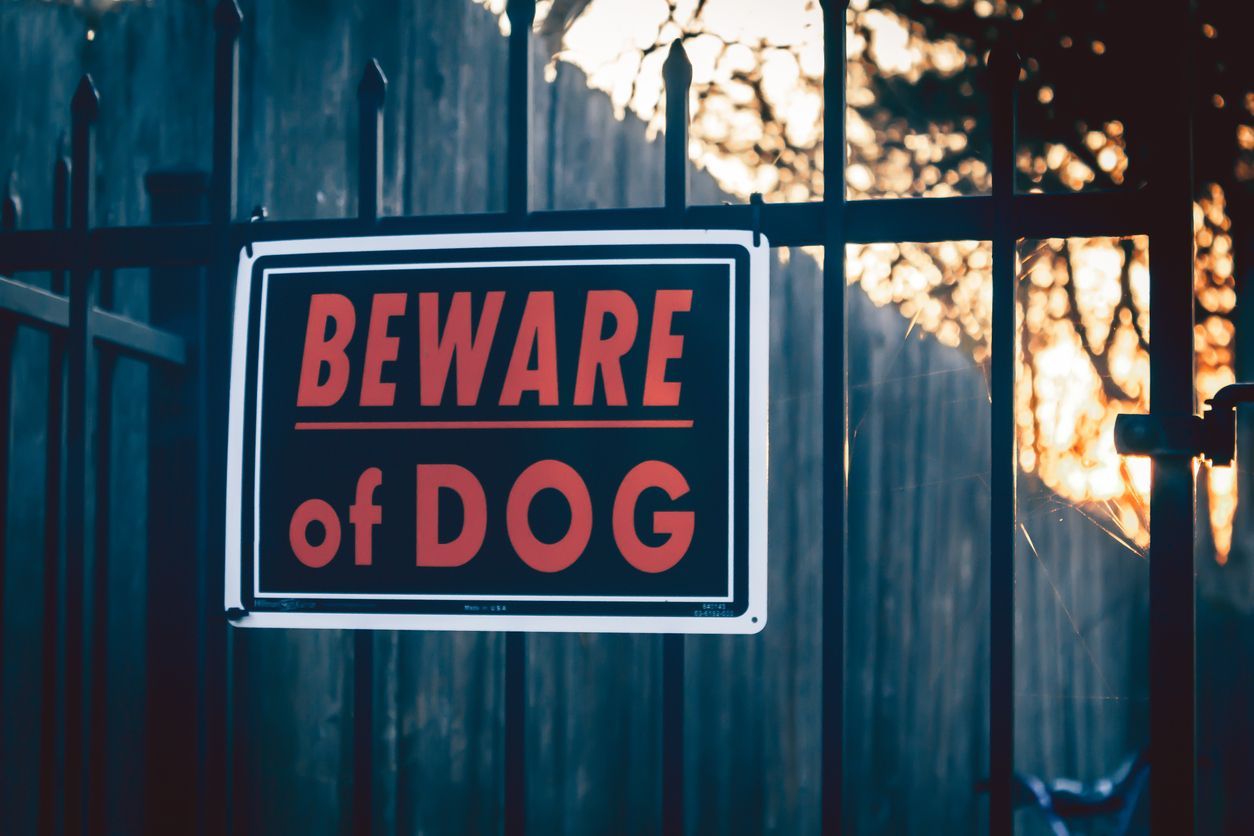
Dog Bite Cases
Dog bites can cause deep puncture wounds, infections, nerve damage, and permanent scarring, and children are especially vulnerable to bites to the face and neck. Beyond the physical injury, many victims live with lasting fear and anxiety.
Dog bite claims follow their own rules. In Tennessee, owners have a duty to keep their dogs under reasonable control, but the rules can change depending on where the bite happened, including whether it was on the owner’s residential property. Georgia generally looks at whether the owner knew the dog was dangerous or let it run loose in violation of local rules. Homeowner’s or renter’s insurance often covers these claims.
After a Dog Bite
Get medical care right away, even for bites that seem minor. Identify the dog’s owner, ask for proof of rabies vaccination, report the bite to animal control, and photograph your injuries as they heal.
04
Swimming Pool Accident Cases
Pools at apartment complexes, hotels, neighborhood associations, and private homes can become dangerous quickly when they aren’t properly fenced, supervised, or maintained. Children face the greatest risk, and drowning and near-drowning incidents can cause life-changing injuries.
Pool owners and operators may be responsible when unsafe conditions contribute to an injury.
Pool hazards we look for:
05
Unsafe Property Conditions
Many property injuries come from repairs that were put off too long. Broken stairs, loose handrails, rotting decks and balconies, potholes in parking lots, and falling ceiling tiles are all hazards a responsible owner should catch and fix.
Landlords are generally responsible for maintaining common areas like stairwells, hallways, and parking lots. Maintenance requests, repair records, and prior complaints can show that an owner knew about a problem and didn’t address it.
06
Elevator & Escalator Accidents
Elevator and escalator accidents are less common, but they can cause serious harm: sudden drops, doors that close on passengers, elevators that stop unevenly and create trip hazards, and escalators that catch clothing or shoes.
Responsibility can fall on the building owner, the company hired to maintain the equipment, or the manufacturer. Inspection and maintenance records are often central to these cases.
07
Toxic Exposure & Fire Injuries
Some property hazards are invisible until they cause harm. Carbon monoxide from faulty furnaces or water heaters, toxic mold, and lead paint in older buildings can all cause serious illness, especially for children and older adults.
Fires caused by faulty wiring, missing or broken smoke detectors, or blocked exits can also point to an owner who didn’t follow building and fire safety requirements. We work to find out what went wrong and who should have prevented it.
After aN Injury
What to Do After a Slip and Fall
Evidence at a store or apartment complex can disappear fast. These steps help protect your claim.
01
Report it
Tell the manager, owner, or landlord right away and ask that an incident report be made. Ask for a copy.
02
Photograph the hazard
Take photos of what caused your injury before it’s cleaned up or repaired, plus your injuries.
03
Get witness information
Collect names and phone numbers of anyone who saw what happened or knew about the hazard.
04
Keep what you wore
Save your shoes and clothing, and avoid signing statements or talking to the owner’s insurer before calling us.
Tennessee & Georgia Law
Tennessee & Georgia Premises Liability Laws
A few rules come up again and again in premises liability and dog bite cases.
Filing deadlines
In Tennessee, you generally have one year to file an injury lawsuit. In Georgia, it’s generally two years. Injuries on government property, like a city sidewalk or public building, can have much shorter notice deadlines.
Obvious hazards
Owners often argue that a hazard was open and obvious. That doesn’t automatically defeat a claim. It may instead affect how fault is shared between you and the owner.
Who pays
Most premises claims are paid by the owner’s liability insurance, or a homeowner’s or renter’s policy for a dog bite, not out of the owner’s own pocket.
This is general information, not legal advice. Deadlines and rules depend on the facts of each case.
Why Davis & Davis
Why Choose Our Premises Liability Lawyers
We investigate early
We move quickly to request video, incident reports, and maintenance records before they’re lost or overwritten.
Judicial perspective
Our founder served as a General Sessions Judge, and Robert Davis serves as Municipal Judge in Decherd. We know how these cases are argued.
Personal attention
You’ll work directly with your attorney, who will explain your options in plain language and keep you updated.
Premises Liability FAQs
Don’t see your question?
Contact the office nearest to you. We’re here to guide you.
Can I file a claim if I was hurt at a friend’s or neighbor’s house?
Yes, in many cases. These claims are usually paid by the owner’s homeowner’s or renter’s insurance, not by your friend personally. That’s often what makes people comfortable moving forward.
What if the hazard was obvious?
An owner may argue that you should have seen the hazard, but that doesn’t automatically end your claim. Both Tennessee and Georgia compare the fault of each party, so your recovery may be reduced rather than eliminated, depending on the facts.
Can I sue my landlord for an injury at my apartment?
Often, yes, especially for injuries in common areas or from hazards the landlord knew about and failed to repair. Keep copies of any maintenance requests or complaints you made.
Is a dog owner responsible if the dog never bit anyone before?
It depends on the state and where the bite happened. In Tennessee, an owner can be responsible for failing to keep a dog under reasonable control even without a prior bite, though different rules may apply on the owner’s residential property. Georgia generally looks at whether the owner knew the dog was dangerous or let it run loose. We can review your situation in a free consultation.
Can a business be responsible for a crime that happened on its property?
It can, if the crime was foreseeable and the business failed to take reasonable security measures. Prior incidents at or near the property are often important evidence.
Related Practice Areas
More Personal Injury Services
Talk to a Premises Liability Lawyer
Contact Davis & Davis for a free, no-obligation consultation at our Chattanooga, Winchester, or Dalton office.